

Adding a pet to the family can be a wonderful experience for children, but the best choice is not always the cutest or the easiest pet to buy. For families with younger kids, the right pet is usually one that fits the household’s space, schedule, budget, and supervision level. Temperament matters, but so do handling needs, enrichment, cleaning, and how much adult help the animal will need every day.
It is also worth remembering that “good with kids” does not mean “easy for kids to care for alone.” Younger children should always be supervised around animals, and much of the daily care still belongs to the adults in the home. One important example is that the CDC advises extra caution with reptiles and amphibians because they commonly carry Salmonella, which is one reason they are usually not the best fit for households with very young children.
What Makes a Pet a Better Fit for Younger Children?
For most families, the best starter pets are animals with predictable care needs, gentle handling requirements, and a lower risk of injury or zoonotic disease when basic hygiene and supervision are in place. That does not mean every family should choose the same species. It means the pet should match the home realistically, not just emotionally. It also helps to think beyond the first week. Some animals, like turtles or birds, live much longer than families expect. Others need more space, more cleaning, more social interaction, or more veterinary care than popular lists suggest. A pet can absolutely teach empathy and responsibility, but only when the adults choose a species they can support properly.
1. Cats Can Be a Great Match for the Right Family
Cats often do well in family homes because they can be affectionate, playful, and adaptable when their environment respects their needs. Many families appreciate that cats do not need outdoor walks and can do well with indoor living when they have litter boxes, scratching areas, resting spots, hiding places, and plenty of opportunities for play. For homes with younger children, an adult cat with a calm, tolerant temperament is often a more predictable choice than a very young kitten.
That said, cats are not passive pets. They need their boundaries respected. Young children should be taught not to chase, corner, grab, or interrupt a resting cat. When cats have appropriate enrichment and a child-friendly introduction, they can make wonderful companions, but success depends heavily on supervision and on giving the cat safe places to retreat.
2. Some Dogs Are Excellent Family Pets, but Breed and Individual Temperament Matter
Dogs are often the first pet families picture, and for good reason. A well-matched dog can be social, trainable, and deeply rewarding for children and adults alike. Still, dogs are not one-size-fits-all. Size, energy level, training needs, and individual temperament matter much more than popularity. A calm adult dog with a known history around children is often a safer and more realistic choice than an untrained puppy for a busy family with younger kids.
Dogs also require the most active daily care on many family-pet lists. Walks, training, housetraining, socialization, grooming, preventive care, and supervision around children all take time. Families should think carefully about whether they want a high-energy dog, a small dog, or a dog with strong guarding or herding tendencies, because those traits can affect how comfortably the dog fits into a household with young children.
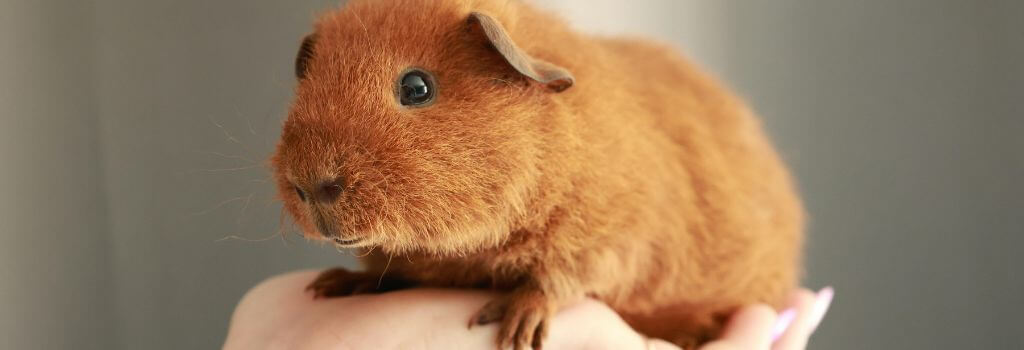
3. Guinea Pigs Are Gentle, Social Pets With Predictable Handling Needs
Guinea pigs are often a better small-pet option for children than people realize. They are social animals, usually do best with companionship from another guinea pig, and are often more tolerant of gentle interaction than smaller pocket pets that are quick, fragile, or easily startled. Their size can make supervised handling easier than with smaller rodents, and many children enjoy their vocal, expressive personalities.
They are not low-effort pets, though. Guinea pigs need roomy housing, daily hay, species-appropriate pellets, fresh vegetables, and regular cage cleaning. They also need careful handling because falls can cause injury. For families willing to provide daily care and adult oversight, guinea pigs can be one of the more child-friendly small mammal choices.
4. Rabbits Can Be Wonderful, but They Need More Care Than Many Families Expect
Rabbits are often marketed as easy children’s pets, but they are better thought of as gentle companion animals that need knowledgeable adult care. Many rabbits do not enjoy being carried, and they can injure their backs or legs if handled improperly or dropped. They also need significant space, appropriate diet, litter box setup, safe exercise time, and regular veterinary care from a rabbit-savvy veterinarian.
That does not mean rabbits are a poor family choice. In the right home, they can be affectionate and interactive. The key is setting expectations correctly. Rabbits are usually a better fit for families who want a pet to observe, interact with calmly on the floor, and care for thoughtfully rather than a pet a young child can pick up freely.
5. Fish Can Be Enjoyable to Watch, but They Are Not Truly “Low-Maintenance” Pets
Fish are often chosen for younger children because they seem simple, quiet, and easy to keep. They can absolutely be enjoyable pets, and watching an aquarium can be calming and educational. Still, fish care is more complex than many families expect. Water quality, tank size, filtration, cycling, temperature, and species compatibility all affect health, and poor setup is a common reason fish do poorly.
For that reason, fish can be a good family pet when the adults are prepared to manage the aquarium properly. They are usually best for families who want a visually engaging pet and understand that feeding alone is not enough. A well-maintained tank can be a great learning experience, but fish should not be chosen under the assumption that they require very little care.
Pets That Usually Need More Caution in Homes With Younger Kids
- Reptiles and amphibians: These animals can be fascinating, but they commonly carry Salmonella and are generally not ideal for households with very young children.
- Very small rodents: Hamsters, mice, and similar pets are often more fragile, quick, and likely to nip when startled, which can make handling difficult for younger kids.
- Chicks, ducklings, and backyard poultry: These animals can also carry Salmonella and need careful hygiene and adult supervision.
- Exotic pets with specialized care: Animals with strict heat, humidity, diet, or lighting needs can be much harder for families to manage well.
How to Choose the Best Pet for Your Family
The best pet for a family with younger kids is usually the one the adults are genuinely ready to care for long term. Before bringing any animal home, think about lifespan, veterinary costs, daily cleaning, travel plans, allergies, noise, housing needs, and how the pet will be introduced to children. A calm temperament and realistic care needs are usually more important than novelty.
It can also help to meet the individual animal first when possible. Shelter staff, rescue groups, breeders, and veterinary teams can sometimes help families choose a pet whose personality fits the home. That step matters because even within the same species, one animal may be far more comfortable with children than another.
Making the Relationship Safe and Positive From the Start
Once a new pet comes home, the focus should be on slow introductions, gentle supervision, and teaching children how to interact respectfully. Kids should learn that pets need quiet rest, safe spaces, and freedom from rough handling. Pets should also have protected areas where they can eat, sleep, or retreat without being disturbed.
When families choose thoughtfully and set up realistic expectations, pets can become a meaningful part of childhood. The right animal can help teach patience, empathy, and routine, but the best outcomes usually come from matching the pet to the household carefully rather than choosing based on trend, convenience, or appearance alone.
If you have questions, we would love to answer them for you. Please give us a call at the office at (561) 799-7717 , or you can email us at [email protected]. Our staff would love to talk with you!
Don't forget to follow us on social media Facebook, Instagram.