

Bringing home your first dog is exciting, but the early shopping list can feel longer than expected. New owners often focus on the obvious items first, like food and toys, but the best setup also includes practical basics that support safety, training, comfort, and day-to-day routines. A few thoughtful purchases at the beginning can make the transition easier for both you and your dog. The goal isn't to buy every product marketed to dog owners, but rather to choose the essentials that help your dog settle in and stay safe.
Start With Food, Bowls, and Feeding Basics
Food is one of the first essentials for a first-time dog owner, but it's worth choosing carefully rather than buying whatever looks most convenient. Dogs need a complete and balanced diet that matches their life stage, body size, and health needs. Puppies, adult dogs, and seniors do not all need the same nutrition, and large-breed puppies may need different support than smaller breeds.
Simple, easy-to-clean food and water bowls are usually the best choice. Stainless steel bowls are popular because they are durable and straightforward to sanitize. Ceramic can also work well if it is sturdy and not chipped. It also helps to ask your veterinarian whether you should stay with the food your dog is already eating for a short time before making any changes, since sudden diet changes can upset the stomach.
A Bed and a Safe Resting Space Matter More Than Many People Expect
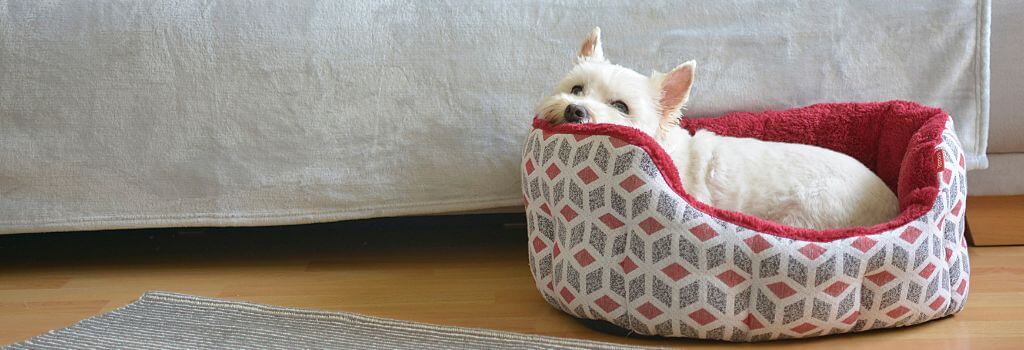
Every dog needs a quiet place to rest, and a comfortable bed helps create that routine from the start. The right bed size should allow your dog to stretch out comfortably while still feeling supported. Some dogs prefer cushioned bolsters, while others do better on flatter surfaces, especially if they tend to run warm or change positions often during sleep.
A crate or another designated safe area can also be helpful when introduced properly. Crates are often used for short periods of rest, travel, and house training, but they should not be treated as punishment. The best setup gives the dog enough room to stand, turn around, and lie down comfortably. For dogs that don't do well in a crate, a secure exercise pen or gated room may be a better option, depending on the individual dog and household.
Identification and Walking Gear Are Daily Essentials
A well-fitted collar or harness, a sturdy leash, and visible identification tags are everyday basics for new dog owners. For many dogs, a harness is a useful starting point for walks because it can provide more control and reduce strain on the neck. The best choice depends on your dog's body shape, size, and walking habits.
Identification is just as important as walking gear. Even dogs that seem unlikely to wander can slip through a door, back out of a collar, or become frightened by an unfamiliar sound. Clear identification on your dog at all times adds an important layer of protection.
Along with tags, microchipping is worth discussing early so your dog has permanent identification in addition to wearable ID. Microchips don't replace a collar and tag, but they can make a major difference in helping lost pets return home. Just remember that a microchip only helps if the registration information stays current.
Toys and Chews Help With Adjustment and Enrichment
Toys aren't just for fun. They can help reduce boredom, encourage appropriate chewing, and make the first few weeks in a new home feel less stressful. A variety of toy types usually works better than buying several versions of the same thing. Some dogs like plush toys, some prefer balls, and others are more motivated by chew toys or food-dispensing puzzles.
But, don't forget that safety definitely matters here. Choose toys that are appropriately sized and durable for your dog’s chewing style, and supervise when offering anything new. If a toy begins to break apart, it is time to replace it. Chews can also be helpful, but they should be chosen carefully to avoid dental injuries or choking hazards. When in doubt, ask your veterinarian which chew types are safest for your dog’s age and chewing strength.
Grooming and Cleaning Supplies Make Home Life Easier
Even low-maintenance dogs need basic grooming supplies. A brush that matches the coat type, dog-safe shampoo, nail care tools, and gentle cleaning products for ears or skin folds may all become part of the routine depending on the dog. Starting grooming slowly and positively from the beginning can help your dog become more comfortable with handling over time.
Cleaning supplies are just as useful, especially during the adjustment period or if you've welcomed a dog that isn't fully potty trained into your family. Enzymatic cleaners are a smart purchase for accidents because they help break down odor-causing material rather than simply covering the smell. Keeping a few basic cleanup items on hand can reduce stress for first-time owners and make house training easier to manage.
Training Supplies Are Some of the Most Important Early Purchases
One of the best things a new owner can buy is not a gadget at all, but support for training. A treat pouch, soft training treats, a standard leash, and perhaps a clicker can be enough to get started. Reward-based training helps dogs learn household routines, build confidence, and understand what behaviors are being encouraged.
This matters early, because the first weeks at home shape habits quickly. A dog does not need a drawer full of equipment to begin learning. What helps most is consistency, good timing, and humane methods. AVSAB recommends reward-based training methods for dogs, which makes this a smart place for first-time owners to invest their time and energy from the beginning.
Don't Forget the Everyday Safety Basics
Some of the most useful purchases are the simple items that make daily life safer. Baby gates, a car restraint or secured travel crate, poop bags, and secure food storage containers may not be the most exciting things on the shopping list, but they are often the items owners use constantly. These tools help create boundaries, prevent accidents, and support routines your dog can understand.
It's also helpful to prepare your home ahead of time. Secure trash, shoes, medications, cords, houseplants, and anything small enough to be swallowed. First-time dog owners sometimes focus so much on what to buy for the dog that they forget to change the environment around the dog. A safe setup is one of the best investments you can make.

What to Buy First
- Complete and balanced dog food recommended for your dog’s life stage
- Food and water bowls that are sturdy and easy to clean
- A comfortable bed and a safe resting area such as a crate or pen if appropriate
- A properly fitted collar or harness, leash, and ID tag
- Microchip registration or a plan to discuss microchipping with your veterinarian
- Safe toys and chews for enrichment and appropriate chewing
- Basic grooming supplies for your dog’s coat and hygiene needs
- Enzymatic cleaner and other house-training cleanup supplies
- Training treats and simple reward-based training tools
- Safety items such as gates, a car restraint, and secure storage for hazards
Setting Up for a Smooth Start
The best purchases for a first-time dog owner are the ones that support comfort, routine, safety, and learning from day one. You don't need to buy everything at once, and you do not need the most expensive version of each item. What matters most is choosing products that fit your dog’s size, age, behavior, and home environment.
Starting with the basics can make the first days feel much more manageable. Once your dog settles in, you will have a better sense of what additional supplies are actually useful for your household. A thoughtful setup now can make training, daily care, and bonding feel much easier as you and your new dog get to know each other. If you have questions, we would love to answer them for you. Please give us a call at the office at (561) 799-7717 , or you can email us at [email protected]. Our staff would love to talk with you!
Don't forget to follow us on social media Facebook, Instagram.